2026-02-10 2011词 晦涩

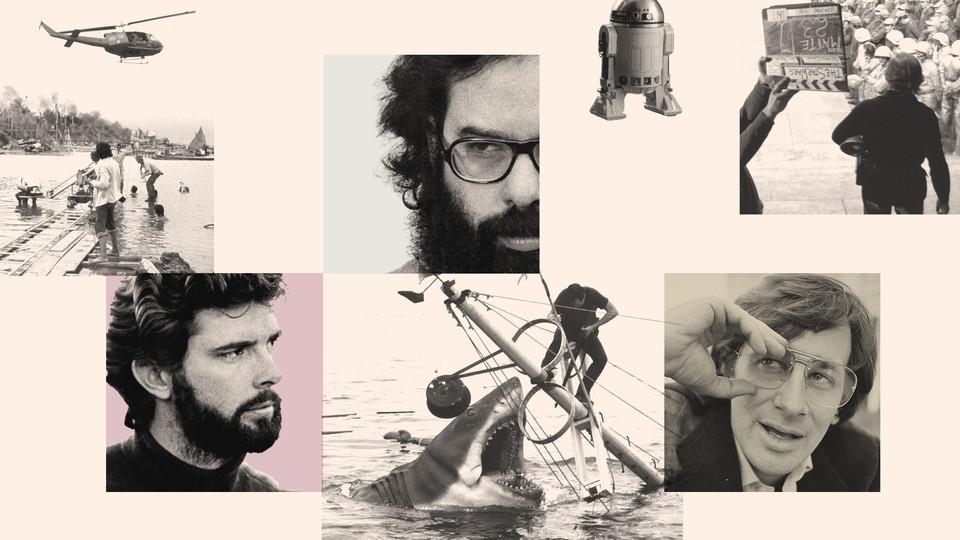
The ’70s were fulcrum years that saw the rise of both the auteur filmmaker and the big blockbuster—sometimes in the same combustible package. At one point in 1976, Coppola was shooting Apocalypse Now while Lucas was filming Star Wars and Spielberg was making Close Encounters of the Third Kind—a remarkable Venn diagram of artistic daring and commercial possibility. Lucas and Spielberg exchanged profit points on their two movies, literally investing in each other’s success. Their peers in the “New Hollywood,” as the era that followed the collapse of the studio system came to be called, were busy creating edgier fare: That same year, Martin Scorsese finished Taxi Driver and Brian De Palma released Carrie. Yet as Fischer shows in The Last Kings of Hollywood, Coppola, Lucas, and Spielberg are worth isolating and studying as a trio. In doing so, he derives a fresh idea from a period that has already been exhaustively studied in books and documentary films. Instead of lauding the triumph of the solo artist or eulogizing the uniqueness of a bygone time, Fischer demonstrates the evergreen value of collaboration.
免责声明:本文来自网络公开资料,仅供学习交流,其观点和倾向不代表本站立场。